




TIRES
All Major Brands Available for Purchase

Rotations for Life* of the tires with purchase and install of 4 tires. Plus 12-24 month road hazard warranty
Buy 3 tires, get the 4th tire Free! *On select tires, contact dealer for details.

Financing Available with Credit Approval
Tire Resources at RK Chevrolet
Reading a Tire Sidewall

Tire Speed Ratings
Tire speed ratings tell the speed your tire can safely maintain over time. The U.S. Department of Transportation (DOT) set the ratings scale, shown below. But tire manufacturers test their own tires and assign their own tire speed ratings. On the sidewall of every tire, you'll find one of these tire speed rating codes:
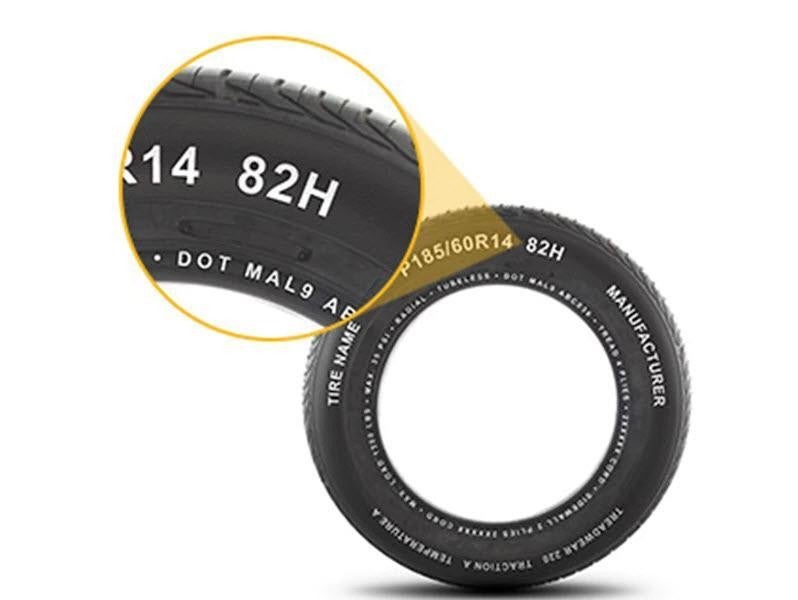
Where to Find Speed Rating and Load Index
Your Chevrolet tires have a load index and tire speed rating symbol (see diagram). Use the Tire Finder (above) to find the Original Equipment tire size, tire load index, and a tire speed rating for your vehicle.
A load index is an assigned number ranging from 1 to 279 that corresponds to the load-carrying capacity of a tire. Passenger cars and light-duty trucks generally have load index number that ranges from 72 to 120.
We recommend replacing your Chevrolet tires with ones that have the same load and speed values as those originally installed on your vehicle. Do not replace tires on your vehicle with a lower load and speed value. Replacing tires that have a higher load and speed value is acceptable.
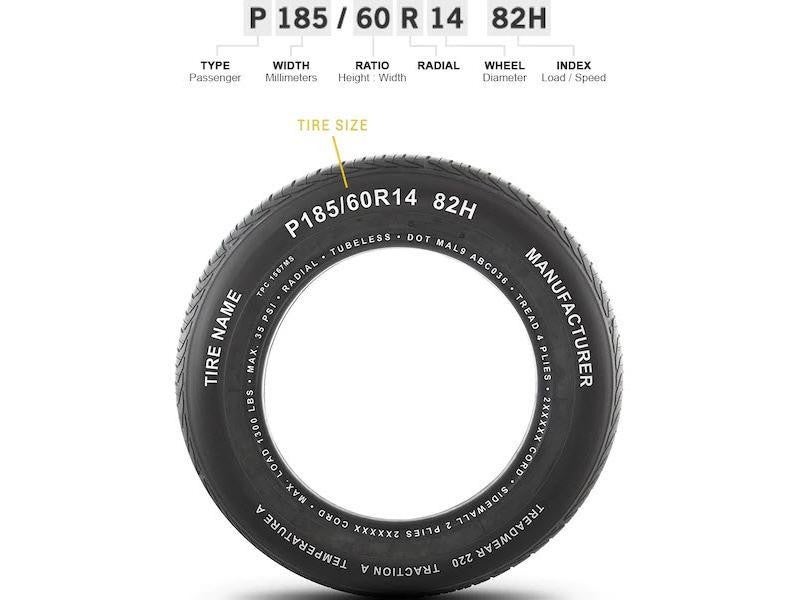
Tire Size
The tire size is a combination of letters and numbers used to define a particular tire's width, height, aspect ratio, construction type, and service description.
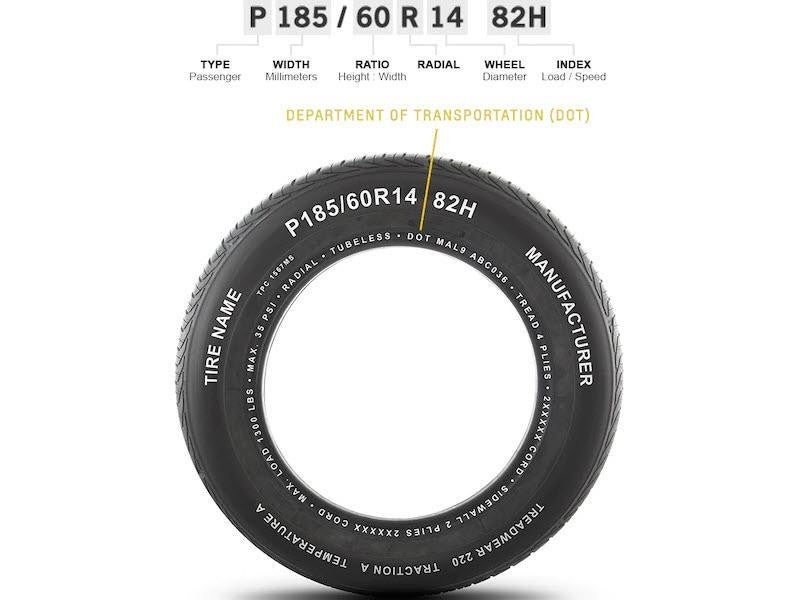
Department of Transportation (DOT)
The DOT code indicates that the tire is in compliance with U.S. Department of Transportation Motor Vehicle Safety Standards.
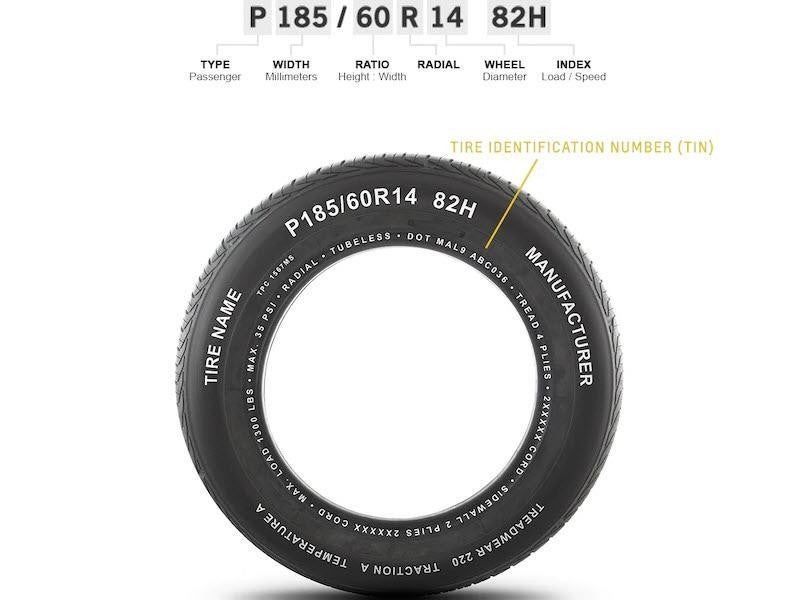
Tire Identification Number (TIN)
The letters and numbers following the DOT code make up the TIN. The TIN shows the manufacturer and plant code, tire size, and date the tire was manufactured. The TIN is molded onto both sides of the tire, although only one side may have the date of manufacture.
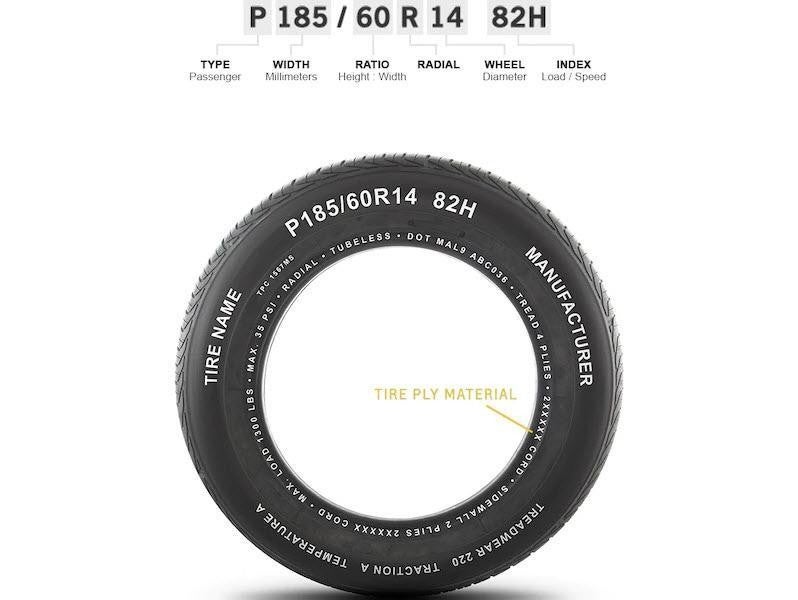
Tire Ply Material
The type of cord and number of plies in the sidewall and under the tread.
Since tires play a major role in establishing the personality of a vehicle, many manufacturers require their tire suppliers to identify their Original Equipment (OE) tires with symbols or codes branded on the sidewalls.
The goal is to make it easier for owners to identify and select exact replacements when the OE tires wear out. Matching the original tires exactly helps maintain the vehicle's integrity.
Uniform Tire Quality Grading (UTQG)
A tire information system that provides consumers with ratings for a tire's traction (from AA to C) and for temperature (from A to C). Tread wear is normally rated from 60 to 620. Ratings are determined by tire manufacturers using government-prescribed test procedures and are molded into the sidewall of the tire.

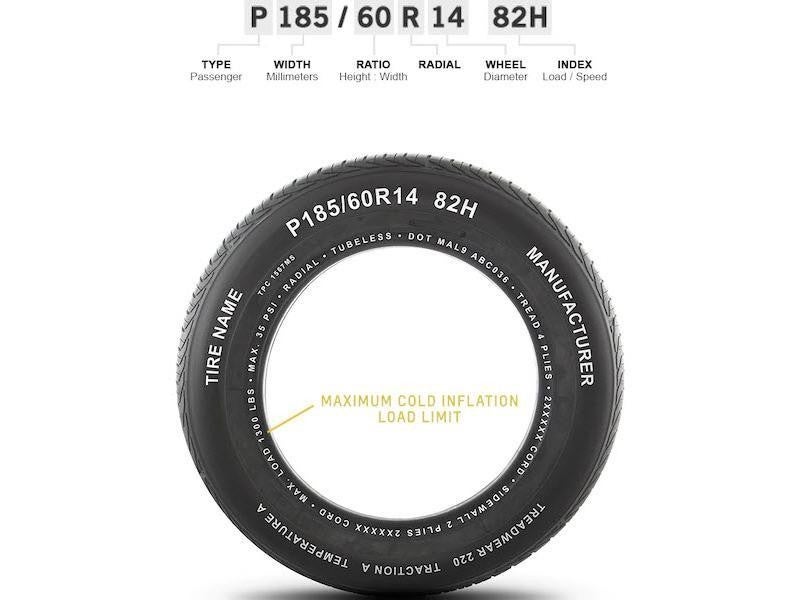
Maximum Cold Inflation Load Limit
A tire information system that provides consumers with ratings for a tire's traction (from AA to C) and for temperature (from A to C). Tread wear is normally rated from 60 to 620. Ratings are determined by tire manufacturers using government-prescribed test procedures and are molded into the sidewall of the tire.
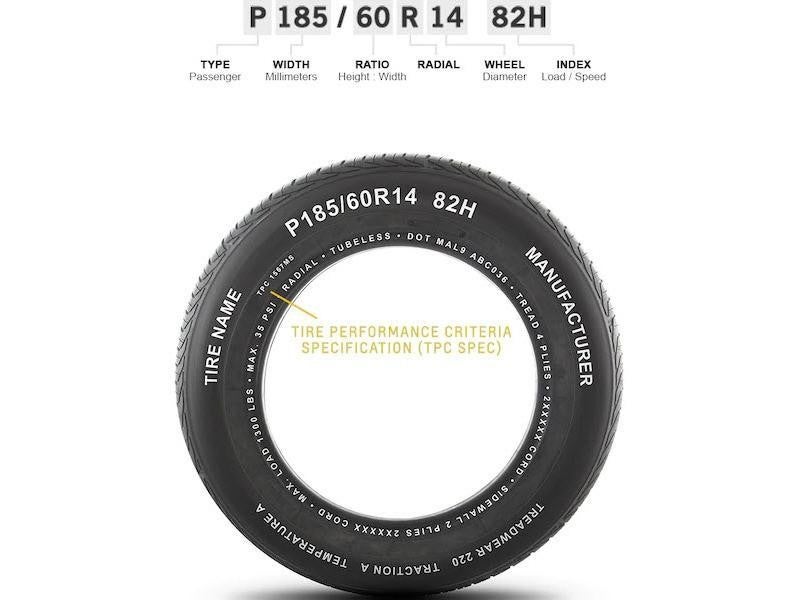
Tire Performance Criteria Specification (TPC SPEC)
Most OE tires designed to GM's specific tire performance criteria have a TPC spec code molded onto the sidewall. GM's TPC specs meet or exceed all federal safety guidelines.
Types of Tires

All Terrain Tires
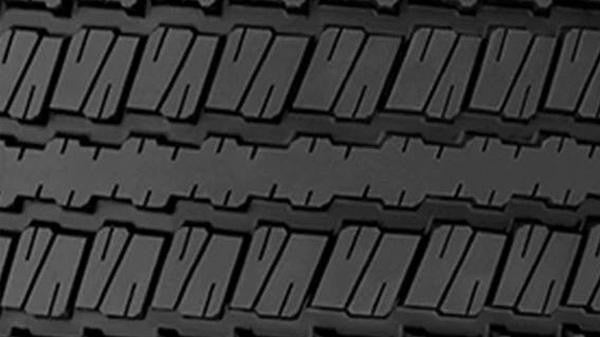
All-terrain tires provide good performance on most road surfaces, in most weather conditions, and for off-road driving. The tread pattern on these tires may wear more quickly than others. Consider rotating these tires more frequently than the recommended 7,500 miles if you notice irregular wear.
Run Flat Tires
Run-flat tires can be driven on with no air pressure. There is no need to stop to change the tire. Continue driving, but not too far or too fast. Driving on the tire may not be possible if there is permanent damage. To prevent permanent damage, keep speeds below 50 mph.
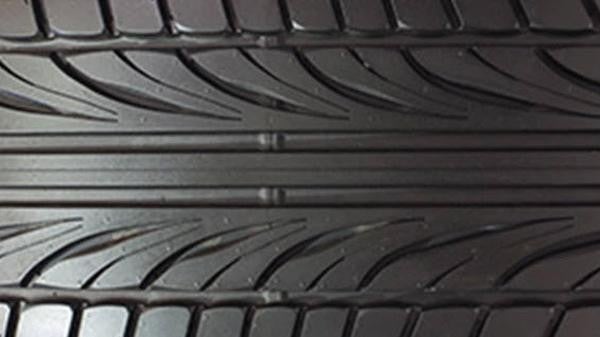
Performance Tires
Performance tires are designed for enhanced handling under demanding circumstances and generally have high-speed ratings with a low aspect ratio for improved control. These tires are not built for winter conditions.
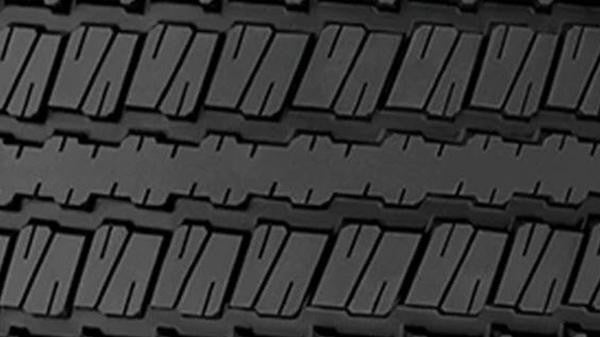
All Season Tires
All-season tires are for year-round use and feature a blend of technologies that make use of different compounds and detailed tread configurations, designed for most driving conditions such as snow, rain, heat, cold, etc. These tires offer good overall performance on most road surfaces and in most weather conditions.
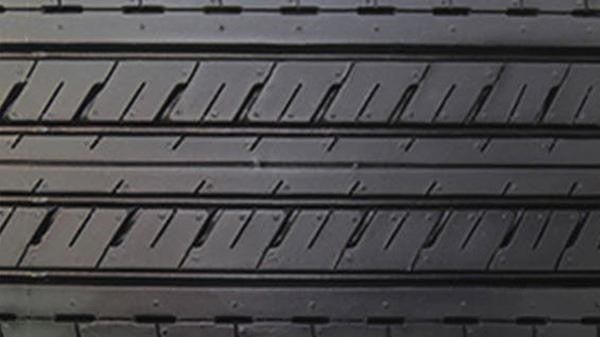
Summer Only Tires
Summer tires have a special tread and compound that are optimized for maximum dry- and wet-road performance. This special tread and compound will decrease performance in cold climates and on ice and snow..
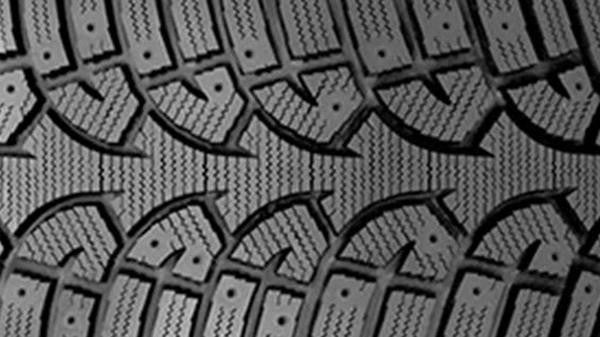
Snow/Winter Tires
Winter tires are designed for increased traction on snow- and ice-covered roads. With winter tires, there may be decreased dry-road traction, increased road noise, and shorter tread life. After changing to winter tires, watch for changes in the vehicle’s handling and braking.
Knowing When to Replace Your Tires
Tread Depth
Recommended to Replace at
4/32”
Tire Aging
Recommended to Replace at
6 Years
Maintenance
Rotate Every
6000 Miles
Air Pressure
Check Every
30 Days

Tread wear indicators appear when the tires only have 2/32 inch or less of tread remaining. Rubber in tires ages over time. This also applies to the spare tire (if available), even if it is never used. Multiple factors including temperatures, loading conditions, and inflation pressure maintenance affect how fast tires age.
Other warning signs that your vehicle will need tire replacement:
- You can see three or more tread wear indicators around the tire
- The tire cord or fabric is showing through the rubber
- The tire tread or sidewall is cracked, cut, or snagged deep enough to show cord or fabric
- The tire has a bulge or split
- The tire has a puncture, cut, or other damage that can’t be repaired correctly
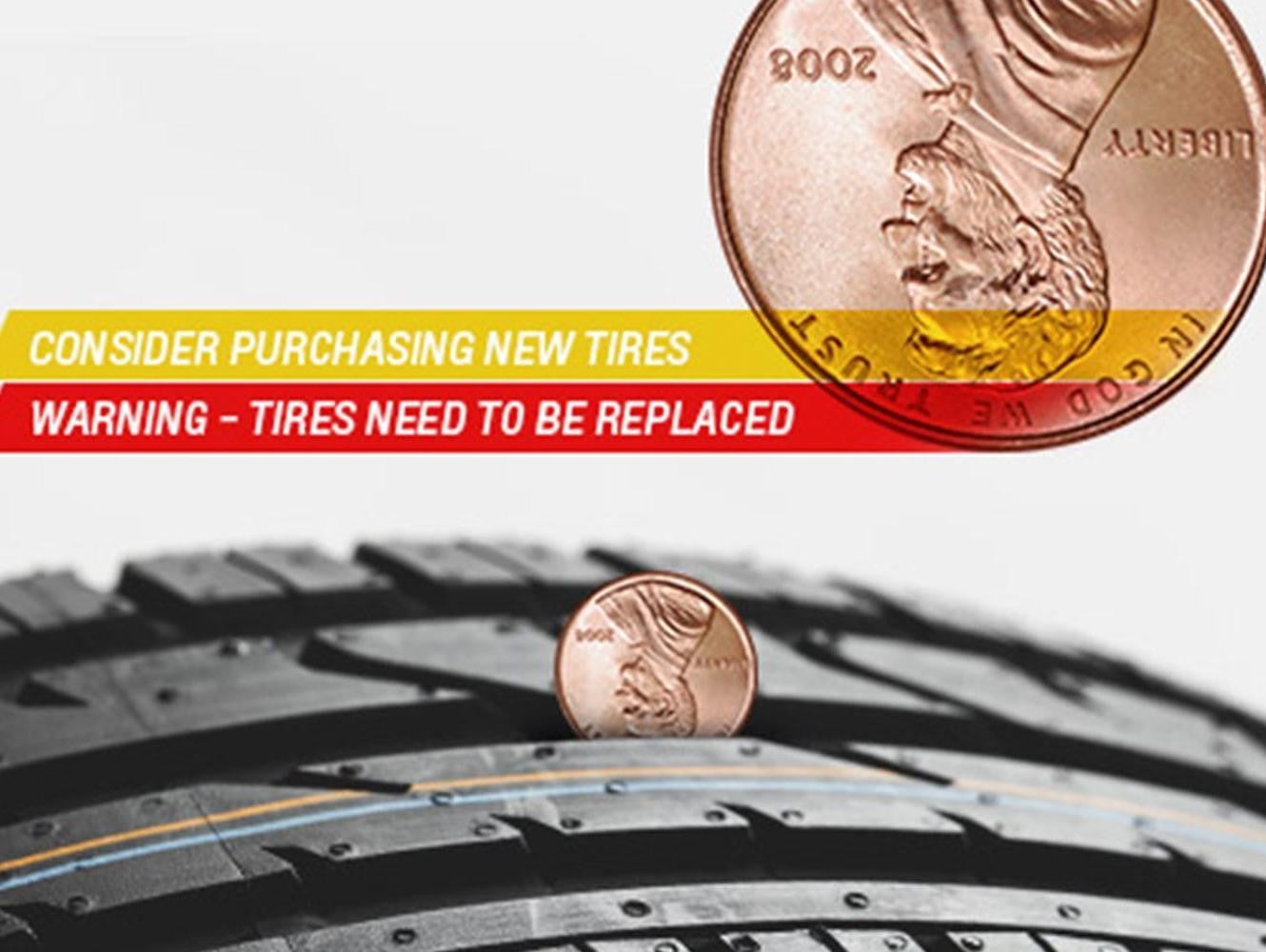
Measuring Tread Depths
A quick and easy way to check your tire wear is with a tread-depth gauge. These tools come in either digital or mechanical versions. The easiest way to check wear on your tire is with a penny. Place a penny upside down in between the tire tread as shown on the right. If you can see the top of Lincoln’s head, the treads are worn and tire replacement is needed.