





Chevy Trucks and Salt Air: What Virginia Beach Drivers Need to Know
Protecting your pickup from coastal corrosion starts with knowing what you’re up against.
Living near the water is one of the best things about Virginia Beach — until you notice what that ocean air is doing to your truck. At RK Chevrolet, we see it constantly: pickups that look fine on the outside but are quietly taking a beating underneath. If you drive a Chevy truck in this area, here’s what you need to stay on top of.
Key Takeaways
- Salt air accelerates rust formation on metal surfaces, especially underneath the truck, where you can’t easily see it.
- Rinsing your truck’s undercarriage after beach trips is one of the simplest and most effective protective habits you can build.
- Rust-proofing your vehicle with professional-grade coatings adds a meaningful layer of long-term defense.
- Brake lines and other metal components hidden under the body are among the first casualties of coastal corrosion.
- Routine maintenance at a trusted local shop — like the RK Chevrolet Service Center — can catch problems before they become expensive ones.
How Does Salt Air Actually Damage a Truck?
Salt air doesn’t eat through metal overnight — but it’s working on it constantly. The combination of humidity and airborne sodium chloride creates the ideal conditions for electrochemical corrosion, which is just a fancy way of saying your truck is slowly rusting, whether you can see it or not.
 Salt and moisture collect on frame rails, brake lines, and wheel wells long before rust appears on the exterior.
The real damage happens in stages. First, salt particles settle on exposed metal surfaces. Then moisture locks in. Then oxidation on a metal truck sets in — that reddish-brown film that starts small and spreads fast if it’s left alone. By the time you spot it bubbling under the paint or flaking off the frame, it’s already been working for a while.
Virginia Beach’s coastal climate presents unique car care challenges. You’re not just dealing with rain and humidity — you’re dealing with salt-laden air year-round. Even when you haven’t driven to the beach, the air itself is doing its thing. Trucks parked near the ocean, even in a driveway, are constantly exposed to the elements. And because most of the damage starts underneath — on the frame, axles, brake lines, and fuel lines — it often goes unnoticed until it becomes a real problem.
Where Corrosion Typically Starts on Chevy Trucks
- Frame rails and crossmembers
- Brake lines and hydraulic fittings
- Wheel wells and rocker panels
- Exhaust system components
- Suspension hardware and bolts
What Should You Do Before and After a Beach Trip?
A quick rinse goes a long way. Before you panic about coatings and treatments, the single best habit you can build is simple: wash the underside of your truck after any beach outing.
 An undercarriage rinse after every beach trip removes salt before it bonds to metal — one of the most effective habits a coastal truck owner can build.
Fresh water breaks down salt deposits before they have time to set. Most car washes offer undercarriage rinse options, or you can use a garden hose at home — just make sure you’re getting up into the wheel wells and along the frame rails where salt tends to collect.
Wheel cleaning is another step that’s easy to skip but really shouldn’t be. Brake dust and road salt combine in the wheel wells and around the lug nuts, and that mix is rough on aluminum and steel alike. A dedicated wheel cleaner and a stiff brush every couple of weeks make a noticeable difference over time.
Beach Trip Truck Prep — Before and After
| Timing | Task | Why It Matters |
|---|---|---|
| Before the trip | Check tire pressure and inspect tread | Sand and soft surfaces put extra strain on tires |
| Before the trip | Inspect undercarriage for existing rust spots | Catch early damage before it worsens |
| After the trip | Rinse the truck’s undercarriage thoroughly | Removes salt before it bonds to metal |
| After the trip | Wheel cleaning — remove brake dust and salt | Prevents corrosion around hubs and rotors |
| Monthly | Wash the full exterior, including door jambs | Salt collects in hidden seams and creases |
| Annually | Schedule a rust-proofing vehicle treatment | Adds a chemical barrier to vulnerable surfaces |
Is Rust-Proofing Worth It for Virginia Beach Trucks?
Absolutely — and not just for trucks you’re taking to the beach. If you’re parking within a few miles of the coast, your truck is in a corrosive environment every single day.
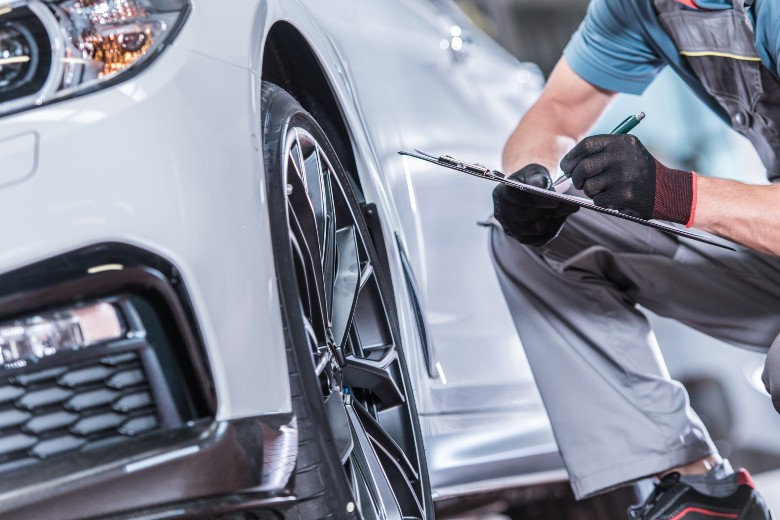 Professional rust-proofing coatings protect undercarriage areas that factory paint doesn’t fully cover — available at the RK Chevrolet Service Center.
Rust-proofing your vehicle typically involves applying a rubberized or oil-based coating to the undercarriage and inner panels — areas that factory paint doesn’t fully protect. It’s not a one-time fix, but it significantly slows the rate at which salt air can reach bare metal.
Seasonal truck care should include checking the condition of any existing coatings and touching up spots that have worn through. A professional inspection at the RK Chevrolet Service Center can identify areas of concern before rust takes hold — particularly around the brake lines, which are critical safety components and notoriously vulnerable to coastal corrosion.
Think of rust-proofing your vehicle the same way you think about oil changes: it’s maintenance that pays for itself by preventing something far more expensive down the road. Replacing corroded brake lines or a compromised frame section costs significantly more than a rust-proofing treatment. Prevention is always better than math.
Keep Your Truck Looking and Running Right
Coastal climate car care isn’t a one-time thing — it’s a mindset. Virginia Beach is a great place to own a truck, and with a little consistent attention, your Chevy can handle the salt air without suffering.
Oxidation on a metal truck spreads fast when it’s ignored and slows to a crawl when it’s managed. The difference is just a few habits built into your routine. Our team at RK Chevrolet knows these trucks and knows this area. If you’ve got questions about protecting your pickup or want a professional eye on what’s going on under the hood, we’re right here in Virginia Beach.
RK Chevrolet — 2661 Virginia Beach Blvd, Virginia Beach, VA
Schedule Service at RK Chevrolet
If it’s been a while since your truck had a proper undercarriage inspection — or if you’ve been parking near the beach all summer — scheduling time at the RK Chevrolet Service Center is an easy, smart next step. No pressure, no upsell. Just a technician who knows what coastal driving does to these trucks and can tell you exactly where you stand.
Frequently Asked Questions
Quick Answers from RK Chevrolet
How often should I wash the undercarriage of my truck if I live near the beach?
Ideally, once a week during summer when beach trips are frequent, and at a minimum after every trip where you’ve driven near sand or saltwater. An undercarriage rinse at a car wash is a fast, inexpensive habit that pays off significantly over time.
Can rust-proofing be applied to a truck that already has some surface rust?
Yes, but the existing rust should be treated or removed first so the coating can bond properly. The RK Chevrolet Service Center can assess your truck’s current condition and recommend the right approach before any coating is applied.
Are Chevy trucks more or less rust-resistant than other trucks?
Modern Chevy Silverados use high-strength steel with corrosion-resistant coatings from the factory, but no truck is immune to the effects of prolonged exposure to coastal conditions. Regular maintenance and rust-proofing treatments make a much bigger difference than brand alone.
What are the signs that my brake lines may be corroding?
Watch for a spongy or soft brake pedal, visible rust or flaking on the lines themselves, or any brake warning lights. Corroded brake lines are a safety issue — if you notice any of these symptoms, get the truck in for an inspection right away.
Does salt air damage the interior or just the exterior of a truck?
Primarily the exterior and undercarriage, but salt air can also affect door hinges, window tracks, and any exposed metal in the cargo bed. Keeping seals and weatherstripping in good condition helps limit interior exposure.
What’s the difference between rust-proofing and undercoating?
Undercoating is typically a rubberized spray applied to the undercarriage to reduce road noise and protect against moisture. Rust-proofing often refers to oil-based or chemical treatments that penetrate seams and cavities where moisture hides. Many shops offer both — ask our RK Chevrolet Service Center which combination makes the most sense for your driving situation.
Content reflects general maintenance guidance for coastal climates. Service recommendations are not a substitute for a professional vehicle inspection. Visit RK Chevrolet at 2661 Virginia Beach Boulevard, Virginia Beach, VA 23452 for personalized service recommendations.